EN
Home > News > Company dynamics > Satellite Security System Vulnerabilities Exposed
On November 28, 2023, hundreds of Porsche owners across Russia experienced an unprecedented situation: their luxury vehicles suddenly became inoperable “bricks.” From Moscow to Saint Petersburg, from Krasnodar to Perm, vehicles equipped with Porsche’s VTS satellite security system unexpectedly locked down, leaving owners stranded.
The issue affected all Porsche models produced after 2013, regardless of model type or engine configuration. Vehicles experienced sudden engine shutdowns, complete dashboard blackouts, and in some cases, even doors couldn’t be unlocked.
The Vehicle Tracking System (VTS) is designed as an anti-theft protection system that relies on satellite signals to monitor vehicle location. When it detects potential theft situations (such as unauthorized movement or signal interruption), it remotely locks the engine. The system’s critical flaw lies in its inability to handle signal disruptions gracefully, triggering a complete lockout instead of entering a safe mode.

Moscow
Saint Petersburg
Krasnodar
Perm
Yekaterinburg
Novosibirsk
All Porsche models (2013+)
Some Mercedes models
Some Audi models
Some Volkswagen models
Sudden engine shutdown
Dashboard blackout
Doors unable to unlock
Unable to restart
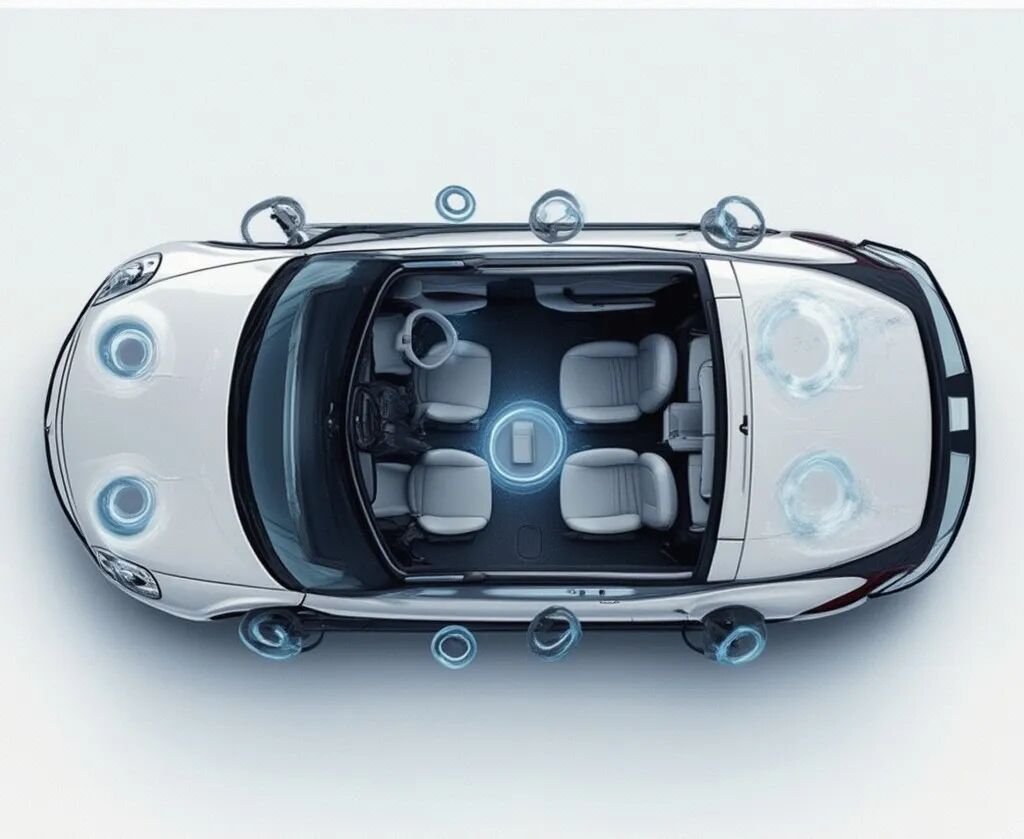
The VTS satellite security system, designed to protect vehicles from theft, ironically became the cause of their paralysis. The system’s fundamental flaw lies in its inability to handle signal disruptions:
When satellite signals are interrupted or abnormal, the system immediately activates the highest-level lockout procedure without sufficient redundancy verification mechanisms.
Satellite signals are inherently weak when they reach the ground, making them vulnerable to suppression by ordinary commercial jammers.
Russia has experienced frequent local GNSS interference over the past two years, with military and civilian interference sources mixed.
Lack of offline contingency
No user authorization mechanism
Single point of failure risk
Insufficient signal verification
300+ vehicles affected
Average repair time: 3+ days
73% reduction in successful drone attacks
89% interception success against FPV drones
Russia-Ukraine conflict context
Western tech sanctions
Signal interference suspicions
Manufacturer silence
The incident timeline reveals a pattern of escalating vulnerabilities in automotive security systems:
| Timeline | Event | Impact |
|---|---|---|
| March 2022 | Russia-Ukraine conflict outbreak | Western technology sanctions against Russia begin |
| January 2023 | Volvo cuts off remote heating service for Russian owners | Owners in cold Russian regions affected |
| June 2023 | BMW, Audi close local dealer software access | Maintenance and software update services limited |
| September 2023 | Volkswagen Group attempts to sell Moscow subsidiary | Porsche parent company exits Russian market |
| November 28, 2023 | Mass Porsche paralysis incident | Hundreds of vehicles rendered unusable |
Owners are not in full control of their vehicles. Even when purchased outright, core technologies remain with manufacturers and satellite service providers.
Smart car security systems have serious design flaws—lacking sufficient redundancy mechanisms and offline contingency plans.
Manufacturers remotely locking vehicles without user authorization essentially violates owners’ usage rights.
Disconnect battery for 10+ hours
Unplug VTS module connectors
Remove the entire alarm unit
Success rate: ~30%
Technological independence
Redundancy design principles
Regular security checks
Professional assessments
Signal shielding products
Anti-eavesdropping detection
Vehicle GPS security checks
Nationwide on-site service
86-13920737097
AddBuilding 2, Honggao Industrial Park, Bao’an District, Shenzhen, China.
E-mailjackyjingtj@gmail.com
Copyright @ 2025 Military drone jammer|BNT China
Copyright @ 2025 Military drone jammer|BNT China
Copyright @ 2025 Military drone jammer|BNT China